The UN's Proposition to Merge UN Women and UNFPA: Why Fix It If It Isn't Broken?

UN Women was formed by the UN General Assembly in July 2010 to address "the lack of a single, powerful driver for gender equality, accelerating progress on women's rights worldwide."
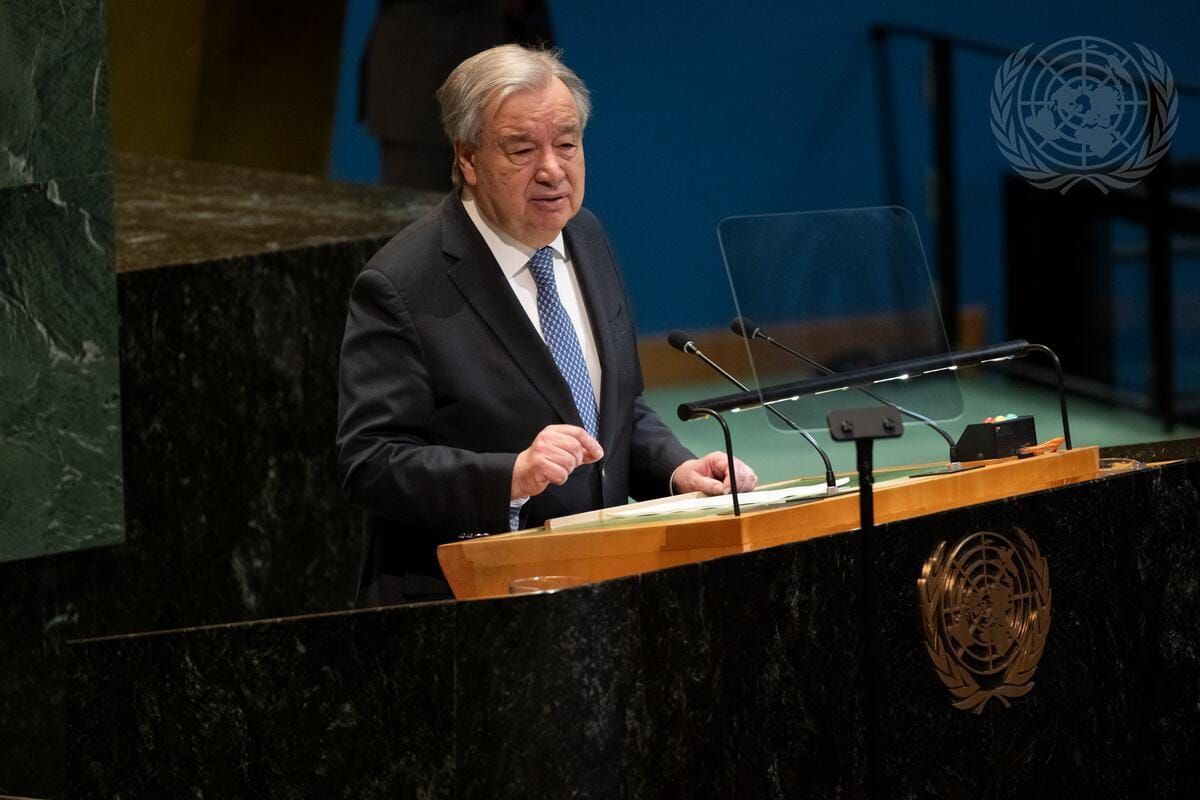
As part of the UN80 initiative, UN Secretary-General António Guterres requested an assessment of the benefits of a merger between UNFPA and UN Women and their respective mandates, to create a unified voice and platform for gender equality and women's rights.
The feasibility study, published in March 2026, follows a 2023 independent assessment conducted by advisory firm Dalberg, which concluded that the disadvantages of merging the two entities outweighed the advantages.
The execution costs of the merger are estimated at $56-$110 million, with projected savings of $32–$ 38 million per annum. The report discloses that those savings would need to be reinvested to strengthen delivery capacity.
The merger is not, however, about performance. As the feasibility study states: "The assessment responds to a structural question, not an institutional performance gap. Both entities continue to deliver important results within their respective mandates."
So if the net financial benefit is effectively zero, why disrupt two functioning institutions — only to land on the same budget, operating inside one organisation rather than two?
The assessment identifies the greatest risk plainly: "the protection of mandates. In the current geopolitical environment, institutional restructuring could create opportunities for attempts to narrow or reinterpret agreed commitments."
At stake are the mandates that underpin UN Women — the Beijing Platform for Action, the Convention on the Elimination of All Forms of Discrimination Against Women, and the only mechanism in the UN system holding over 40 institutions accountable for integrating gender equality into their budgets, policies, and programs.
It appears UN Women was built to solve the problem this merger would seemingly recreate.